
Stainless Steel
Stainless steel, a combination of iron alloys containing molybdenum and chromium. It is a highly corrosion-resistant material widely utilized in various sectors. Its remarkable resistance to corrosion makes it particularly suitable for applications involving exposure to water or salt, where corrosion is a significant concern. This versatile material instills confidence in its usage within this sector.
Stainless steel is renowned for its strength, making it an excellent choice for kitchenware. Furthermore, it possesses exceptional durability, as it does not rust, wear, crack, or develop holes. Moreover, stainless steel is a recyclable material, provided it is properly recycled.
One of the most appealing attributes of stainless steel is its ease of cleaning and maintenance, which contributes to its popularity in the manufacturing of cookware, kitchenware, and various household items. However, due to its weight, stainless steel may not be suitable for activities like hiking or picnics, as it is impractical to carry around.
Stainless Steel 415 Plates Benefits:
- Durability – it is not corroded or rusted easily.
- Versatility – it can be used in many different applications.
- Extremely easy to clean
Stainless steel encompasses a diverse range of products, and among them are SS 415 plates, which are specifically composed of chromium and nickel. These plates offer exceptional resistance to rust and corrosion, making them highly reliable in various applications.
One remarkable feature of SS 415 plates is their heat resistance, allowing them to withstand high temperatures without melting or deforming. This unique characteristic makes these plates particularly valuable in industries such as cooking and manufacturing, where working with elevated temperatures is common in industrial processes.
By utilizing SS 415 plates, these industries benefit from their remarkable efficiency and reliability when exposed to high temperatures. The plates maintain their structural integrity, ensuring optimal performance and longevity in demanding industrial applications.
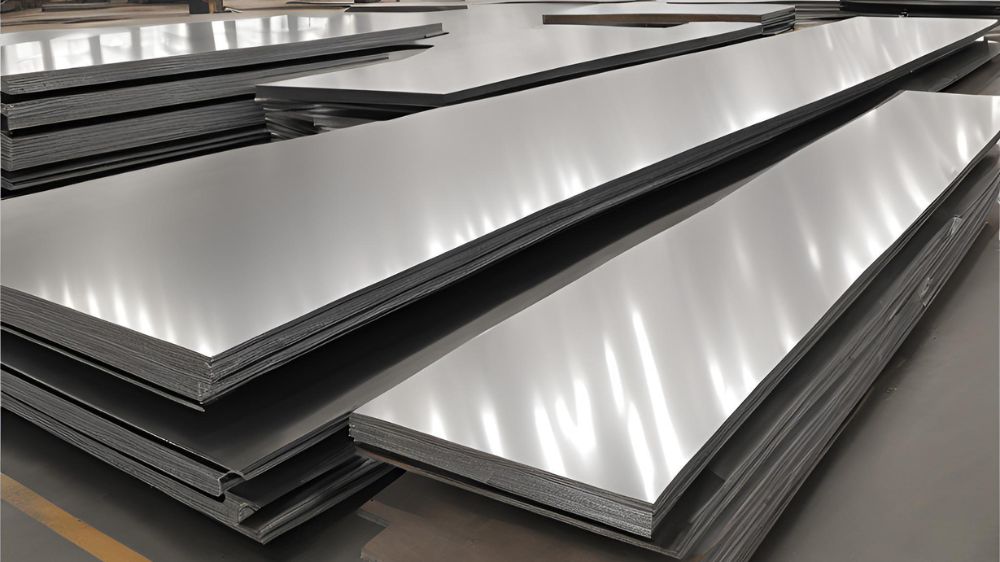
These Stainless Steel 415 Plates are made out of treated steel, and they measure 0.45 mm thick. In both new water and saltwater, they can be utilized. Smooth, level surfaces make cleaning 415 stainless steel plates simple.
Stainless Steel 415 Plates Characteristics:
- They are corrosion-resistant
- They can be easily adapted
- They have an exceptionally long lifespan
- Steel is non-responsive: Since stainless steel doesn’t respond with most synthetics, you won’t get an off-flavor or variety when you cook with it.
Stainless Steel 415 plates are widely employed in various sectors, including chemical treatment, pharmaceuticals, and culinary applications. These plates are particularly well-suited for use in environments with high moisture levels due to their exceptional resistance to corrosion and oxidation.
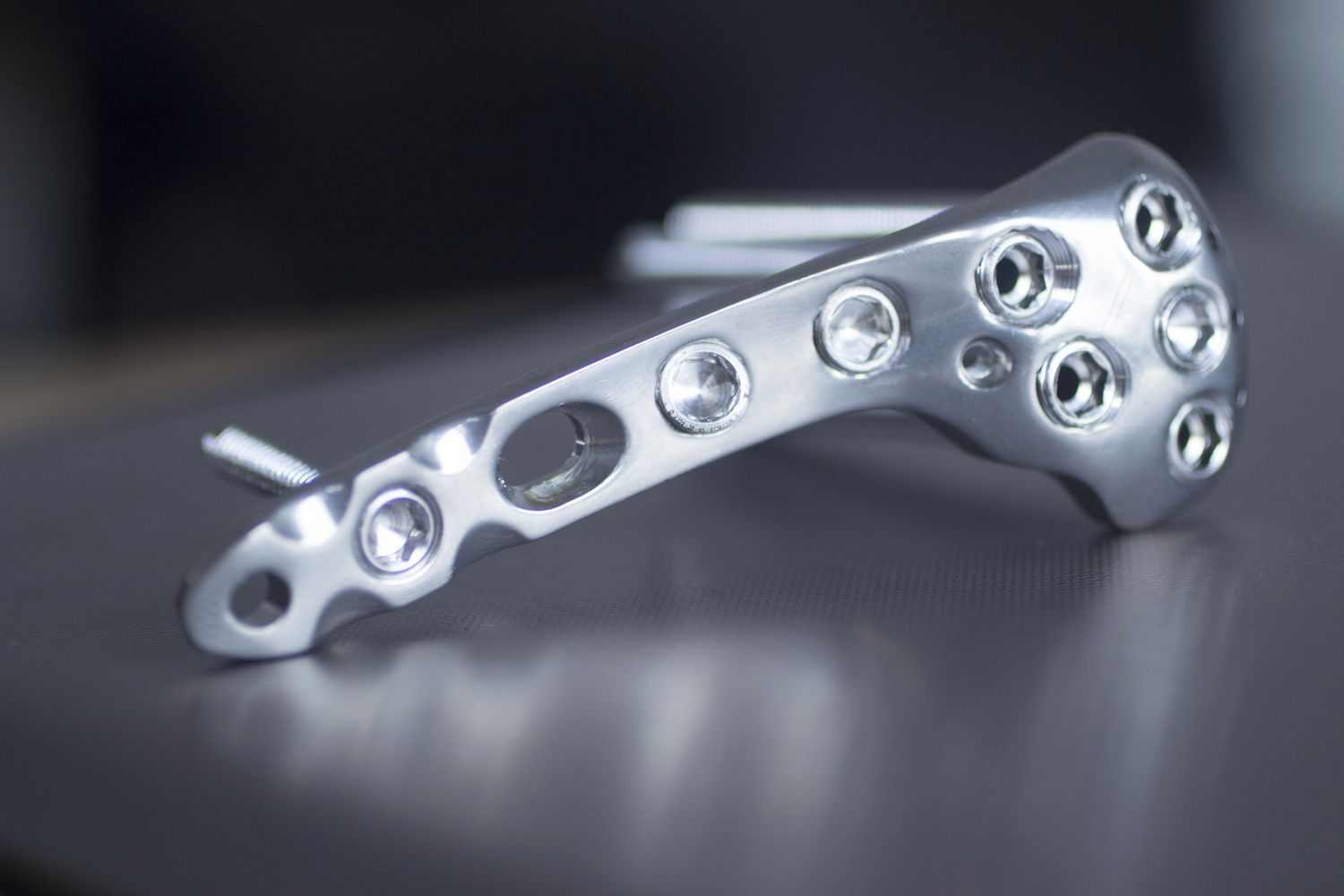
These robust Stainless Steel 415 plates find extensive use in the medical field and other industries that require heat resistance. They can withstand extreme temperatures without warping or cracking, making them highly reliable in demanding conditions.
Due to their excellent electrical stability, stainless steel 415 plates can be effectively utilized as heating and cooling elements. Their resistance to chemicals and acids also makes them invaluable in chemical processing facilities where such substances are frequently encountered.
The automotive production industry utilizes ss 415 plates in various components, including engines, gearboxes, and exhaust systems. This metal garners high regard for its resistance to corrosion and rust, making it an ideal material for parts that necessitate prolonged usage, exposure to water, and other environmental factors.
Additionally, stainless steel finds widespread use across diverse industries, including the manufacturing of consumer products, appliances, and architectural projects. Its inherent strength and reflective properties make it a favored choice for jewelry as well.