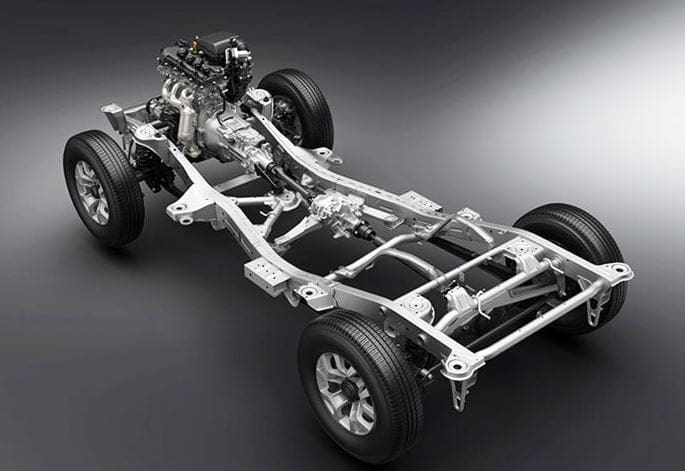
In the world of transportation, sustainability and durability are key priorities. Automakers and transit designers are continuously seeking materials that offer longevity, efficiency and minimal environmental impact. One such material that has revolutionized transit car design is stainless steel. Known for its corrosion resistance, strength and recyclability, 201 Stainless Steel Plates serve as the backbone of modern, sustainable transit vehicle design.
The Importance of Stainless Steel in Transit Car Design
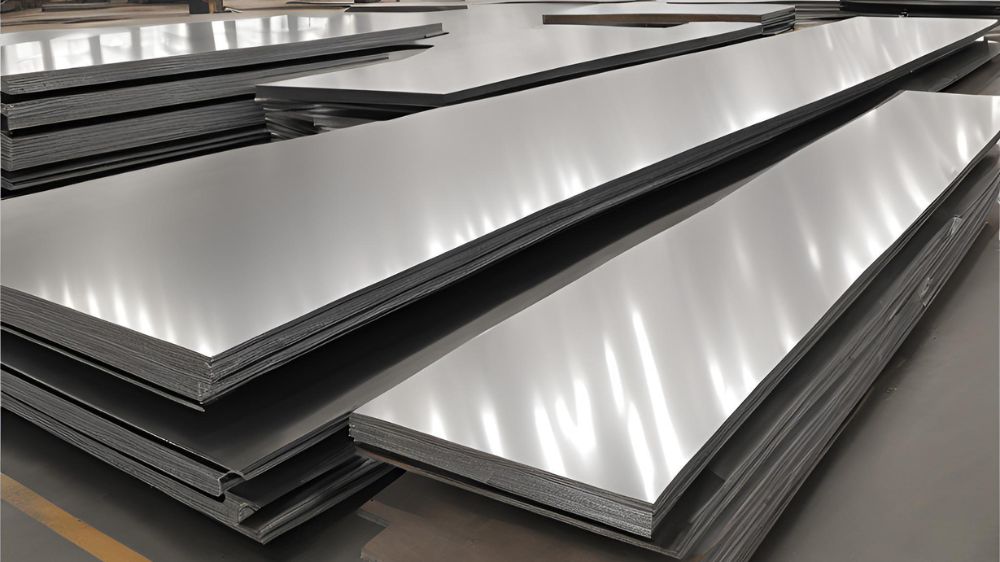
Stainless steel plates are a vital component of maintaining the long-term performance and longevity of transit vehicles. Unlike traditional materials, which deteriorate over time under exposure to rough weather, salt and pollution, SS maintains its structural integrity for years. It also lightens the vehicles, which improves fuel efficiency and lowers emissions.
As we advance towards green transportation stainless steel is increasingly becoming a top option for manufacturers. Let’s look at its most important applications in contemporary transit vehicles.
Key Uses of Stainless Steel Plates in Cars
1. Exhaust Systems
Stainless steel plates in automotive design are in the exhaust system. The high temperatures and exposure to corrosive gases necessitate materials that can withstand extreme conditions. Stainless steel plates, especially those made from grades like 304 and 409, offer excellent heat resistance and corrosion protection. This makes exhaust pipes, catalytic converters, and mufflers function properly for many years. In turn, you will not have to replace them frequently, and that helps to reduce waste.
2. Body Panels and Structural Components
Stainless steel plates are used in the construction of body panels and structural elements of vehicles. Their high strength-to-weight ratio ensures that transit cars can be lightweight yet, improving fuel efficiency and safety. In the event of a collision, SS structures absorb impact energy effectively enhancing passenger protection.
Automakers are mainly using stainless steel in electric vehicle (EV) production, where lightweight yet sturdy materials are essential for extending battery life and optimizing performance.
3. Fuel Tanks
Traditional fuel tanks, which are constructed of mild steel or aluminum, can rust with age. Rusting may lead to leakage and pose safety risks. Stainless steel plates offer a better solution because they resist rust and chemicals well. This is particularly beneficial for hybrid and alternative fuel vehicles. They require tanks that can hold biofuels and hydrogen without deteriorating.
4. Trim and Decorative Parts
Beyond functionality, stainless steel is also a favorite in automotive aesthetics. Many luxury and high-end vehicles use stainless steel plates in trims, grilles, door sills and other decorative parts. The natural shine and resistance of the material, guarantee vehicles look sleek and modern in the long run. The fact that stainless steel can be polished further makes it a favorable choice for use as both exterior and interior adornments.
5. Engine Components
Engines require materials that can endure extreme heat, friction and exposure to various fluids. Stainless steel plates help make parts like turbochargers, intake manifolds, and heat exchangers. Their great thermal properties help cool the engine. This cuts overheating risks and boosts engine performance.
Environmental and Economic Benefits of Using Stainless Steel in Transit Vehicles
1. Sustainability and Recyclability
One of the advantages of stainless steel is its recyclability. It can be recycled without losing strength or durability, unlike other materials. This makes it a preferred choice for eco-friendly vehicle design. Manufacturers can reduce waste and conserve natural resources.
2. Reduced Maintenance and Long-Term Cost Savings
Vehicles produced using stainless steel plates have fewer maintenance needs because of the built-in resistance to wear, corrosion and rust. This means lower repair bills and increased life for transit vehicles, thus making them an economically worthwhile option for manufacturers, as well as consumers.
3. Improved Safety
Safety is a critical factor in automotive design. Stainless steel’s ability to withstand high impact, extreme temperatures and chemical exposure ensures that transit cars remain safe for passengers and drivers. Additionally, its fire-resistant properties contribute to enhanced vehicle safety standards.
The Future of Stainless Steel in Automotive Design
As demand for hybrid and electric vehicles increases, the use of stainless steel in the design of transit cars is set to increase further. As manufacturers concentrate on designing lightweight, high-performance vehicles with low environmental footprints, stainless steel will remain in vogue as a material of choice.
Technologies like advanced high-strength stainless steels (AHSS) are also leading the way to more sustainable and efficient vehicle designs. Next-generation transportation solutions are being tailored with these new materials, which provide enhanced strength, flexibility, and energy absorption.
Conclusion
201 Stainless Steel Plates have firmly established themselves as a cornerstone of modern transit car design. Their strength, corrosion resistance, recyclability and look make them a material of choice for automobile manufacturers globally. As the transportation sector moves towards sustainability and innovation, stainless steel will remain at the forefront, shaping the future of effective and environmentally friendly transport solutions.
By incorporating stainless steel into many different car parts—ranging from exhaust systems to fuel tanks—automakers can produce safer, more durable and cleaner cars. Whether in conventional or electric vehicles, stainless steel is truly the backbone of sustainable transit car design.