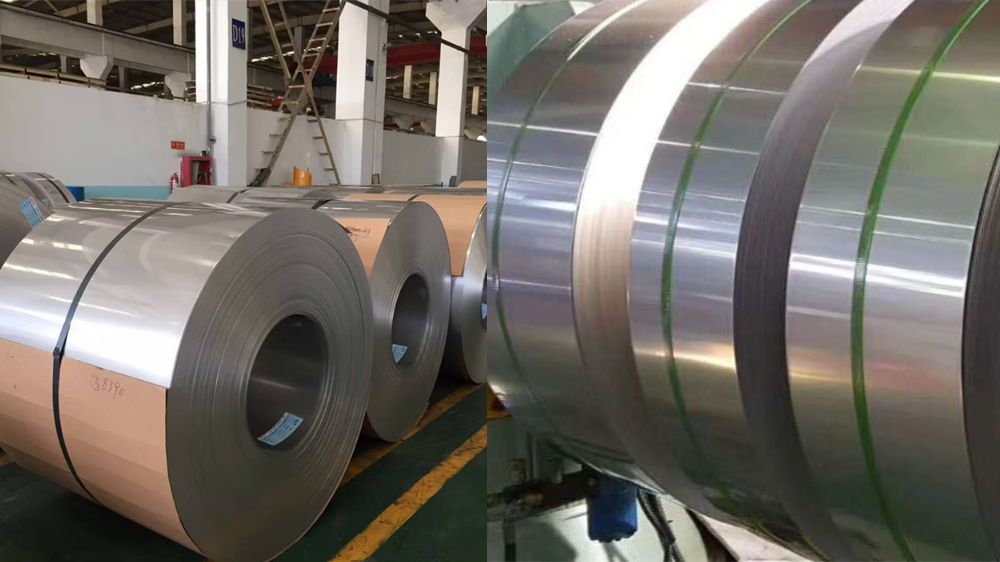
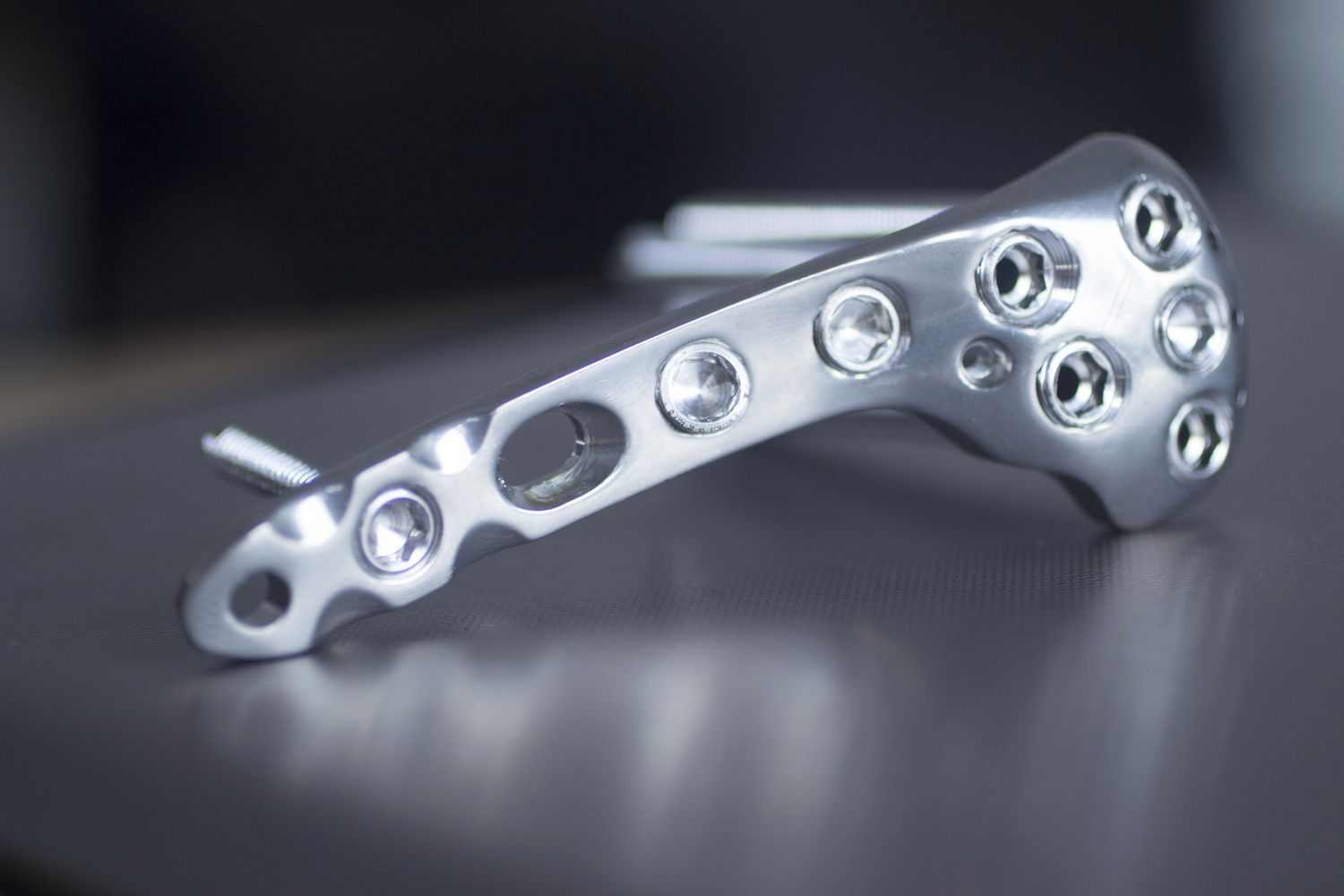
Titanium has changed the medical field, especially in orthopedic implants. Its unique properties make it a great choice. One of its advanced applications includes Titanium Grade 2 Coils, which have emerged as a crucial component in orthopedic surgeries. These coils provide numerous advantages, including biocompatibility, durability, flexibility, and improved healing outcomes. In this blog, we’ll look at the main benefits of titanium coils in orthopedic implants. We’ll see how they help make modern orthopedic treatments successful.
The Benefits of Using Titanium Coils in Orthopedic Implants
1. Exceptional Biocompatibility
One of the most significant advantages of Titanium Grade 2 Coils in orthopedic implants is their biocompatibility. Titanium is unique among metals and doesn’t cause negative immune responses so the risk of rejection or allergies is lower. It works well with human bones and tissues. This helps healing happen faster and cuts down on complications after surgery. This property makes titanium coils ideal for long-term orthopedic implants.
2. Superior Strength and Durability
Titanium is known for its outstanding strength-to-weight ratio. Titanium coils give strong support to the implant without making it too heavy. Titanium is tougher and more resistant to corrosion than metals like stainless steel. This durability helps orthopedic implants last longer with less wear. This durability translates to fewer replacements or revisions, benefiting both patients and medical professionals.
3. Flexibility and Adaptability
Titanium coils are very flexible and can be shaped to suit different orthopedic uses. They are so versatile that surgeons can shape or mold them to the exact requirements. This is very useful in spinal surgery where implants are frequently customized to suit individual anatomical structures. Titanium coils also enhance load distribution across the bone reducing stress concentrations and improving patient outcomes.
4. Enhanced Osseointegration
The term osseointegration means integration of bone with the implant. Titanium has a natural potential for bonding with bone tissue. This osseointegration aspect helps in the stable anchoring of the implant, limiting the possibility of loosening or failing in the long run. The porous structure of titanium coils further enhances bone growth, making them ideal for orthopedic procedures that require strong and stable fixation.
5. Corrosion Resistance
Orthopedic implants are subject to body fluids where corrosion in some metals occurs. But titanium is very resistant to corrosion because of the capacity to create a protective oxide coat. The resistance guarantees that the coils made of titanium are very stable for many years without degrading, hence avoiding the risk of implant failure and complications.
6. Reduced Risk of Infection
Infections are a significant concern in orthopedic surgeries, often leading to implant failure and additional medical interventions. Titanium coils have antibacterial characteristics that reduce the possibility of infection. Their biocompatibility and lack of reactivity inhibit bacterial colonization, thus avoiding post surgical complications and fast recovery.
7. Lightweight Nature for Improved Mobility
The lightweight nature of titanium makes it an excellent choice for orthopedic implants particularly for load-bearing applications like joint replacements and spinal implants. Compared to other metals, titanium coils provide necessary support without adding unnecessary weight, allowing patients to regain mobility more efficiently post-surgery.
8. Compatibility with Advanced Medical Technologies
Titanium coils are highly compatible with modern medical imaging techniques, such as MRI and CT scans. While some metals interfere with imaging results titanium enables clear visualization of the implant and surrounding tissues. This particular advantage thus becomes very useful in post-operative care and allows for the timely recognition of any potential complications that may require treatment.
9. Eco-Friendly and Sustainable
From a sustainability perspective, titanium is an environmentally friendly material. It is widely available and can be recycled without losing its essential properties. The use of titanium in orthopedic implants contributes to medical advancements while minimizing environmental impact.
Conclusion
Titanium Grade 2 Coils have changed orthopedic implants. They offer benefits like biocompatibility, strength, flexibility, osseointegration, and resistance to infection. Their enhanced properties lead to improved patient outcomes, fewer complications, and durable orthopedic solutions. Titanium coils are vital in orthopedic implants as they improve safety and efficiency in treatments for patients around the world.