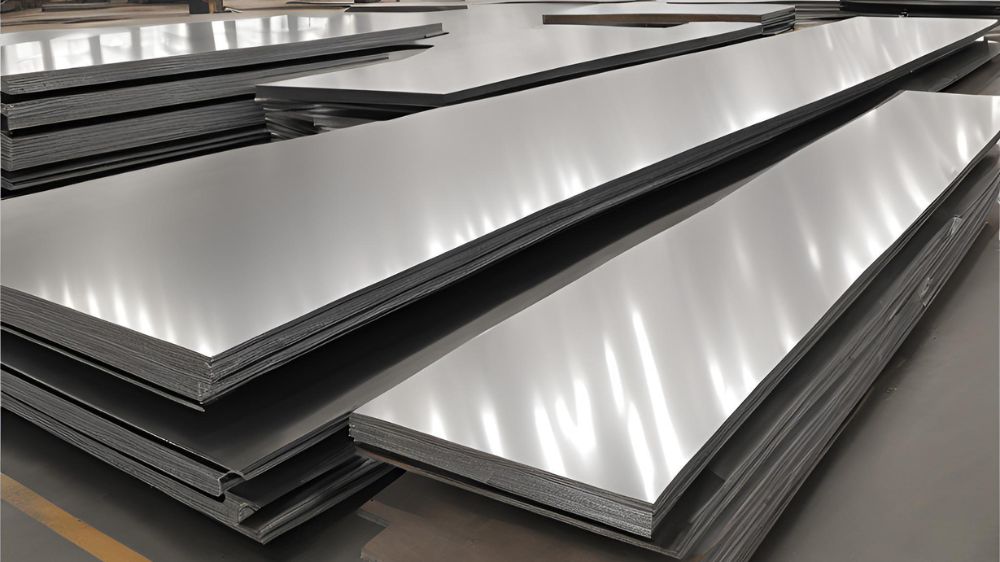

Stainless steel is one of the most versatile materials available today, with applications ranging from home appliances to industrial equipment. But not all stainless steel is the same, and it’s important to understand the differences in chemical composition among different grades of stainless steel. In this blog post, we’ll take a closer look at the chemical composition of 201 stainless steel coil, one of the most commonly used grades of stainless steel.
What is 201 Stainless Steel Coil?
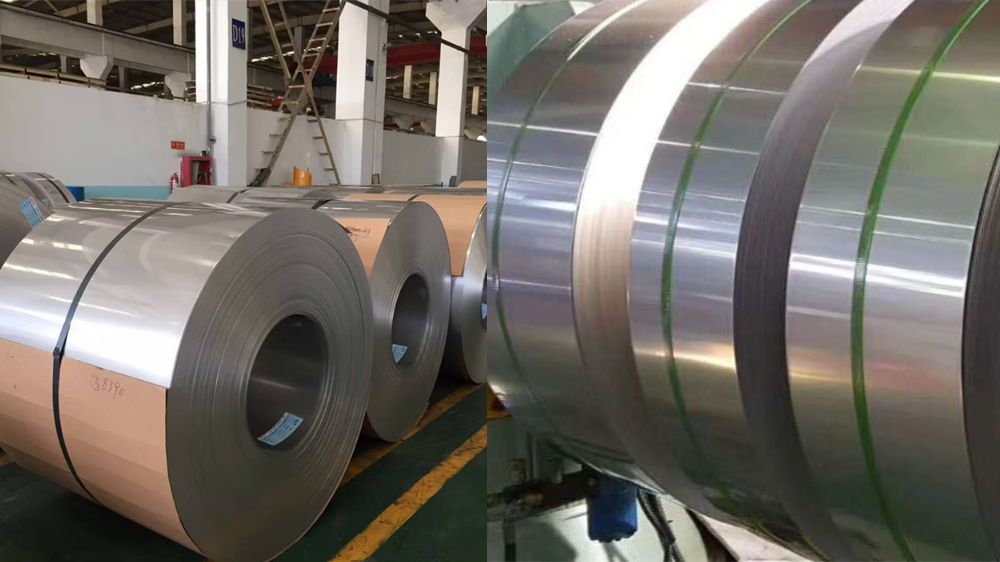
201 Stainless Steel Coil is a coil made from a special alloy. This alloy is composed primarily of chromium, nickel and manganese that has been heat treated to enhance its mechanical properties such as strength, malleability, formability and toughness. The increased levels of these elements increase the corrosion resistance of the coil when compared to other types of steel, such as 304 or 316 stainless steel. Additionally, due to its ability to retain heat better than other materials and resist oxidation at elevated temperatures, 201 Stainless Steel Coil makes it an ideal choice for applications exposed directly to high levels of humidity or salt spray, such as automotive components, kitchen equipment like ovens or cookers and outdoor structures like bridges or balconies.
Composition of 201 Stainless Steel Coil
201 stainless steel coil is an austenitic chromium-nickel-manganese alloy developed to conserve nickel. It is often used in various industries, such as kitchen appliances, automotive parts, machinery, and hardware. The chemical composition of this particular steel coil is as follows: 0.15% carbon, 16-18% chromium, 3.5-5.5% nickel, 0.8% manganese, and small amounts of phosphorus, sulfur, and nitrogen.
201 stainless steel coil is an austenitic nickel-chromium alloy with much manganese and nitrogen. This composition gives it excellent corrosion resistance, high-temperature strength, and flexibility. It also features good formability in cold work conditions. The chemical composition of 201 stainless steel coil includes carbon (0.15%), manganese (5.50%-7.50%), phosphorus (0.060%), sulfur (0.03%), silicon (1%-1.5%), chromium (17%-19%) and nickel content between 5% and 7%.
Nickel in this grade provides superior levels of corrosion resistance as well as improved oxidation resistance with high temperatures up to 800° F or 427° C for prolonged periods depending on temperature selection/application complexity involved, such as atmospheric corrosion or heat treatment cycles/processes needed for specific end-user requirements or product applications being produced from the base material itself without changing any chemistry levels typically associated with fixed metallurgical grades found throughout industry standards today worldwide.
The addition of manganese to the alloy reduces the overall cost of the steel, making it a popular option for manufacturers looking to reduce their expenses. However, the lower nickel content means this type of stainless steel is less corrosion-resistant than other grades, particularly in harsh environments. It is commonly used in indoor applications like kitchen equipment and home décor. It is also important to note that ss 201 coil is not magnetic, making it a good choice for applications where magnetism is not wanted.
Benefits of 201 SS Coils
One of the benefits of this particular grade of stainless steel is its ease of fabrication. It can be readily formed, welded, and machined, making it a versatile material for manufacturers. The lower nickel content also results in less ductile material than other grades, making it more challenging to work with. However, with the right expertise, stainless steel 201 coil can be an excellent choice for various industrial and commercial applications.
The high level of chromium in 201 stainless steel coil gives it excellent resistance to oxidation and corrosion. This means it can withstand exposure to various environments, including wet, humid, and acidic conditions. However, it is important to remember that this steel type is unsuitable for use in marine environments, as saltwater exposure can cause pitting and corrosion.
Conclusion
In conclusion, the 201 stainless steel coil is a popular and versatile choice for various applications. Its chemical composition of carbon, chromium, nickel, manganese, and trace elements makes it an affordable option for manufacturers looking to balance cost-effectiveness with performance. While it may not be as corrosion-resistant as other grades of stainless steel, it can still provide excellent oxidation and corrosion resistance for indoor applications. With its ease of fabrication, 201 stainless steel coil is a great choice for various industrial and commercial uses. If you’re looking for a steel coil that is affordable and easy to work with 201 stainless steel is definitely worth considering.