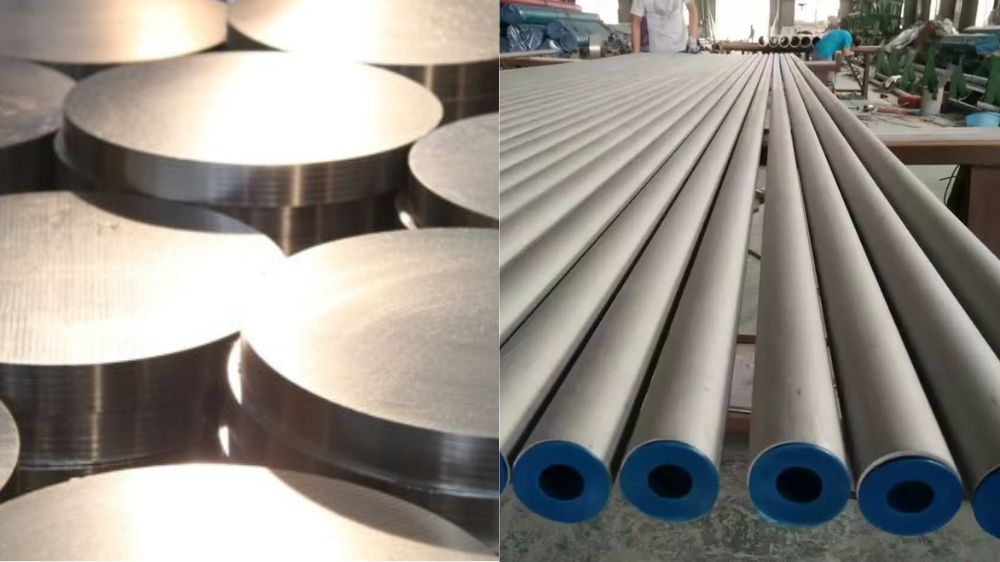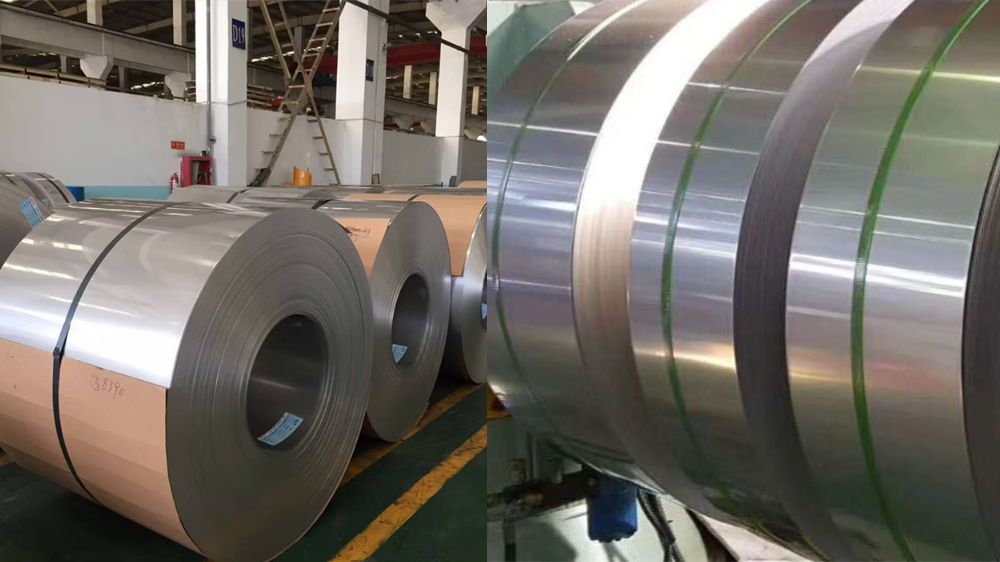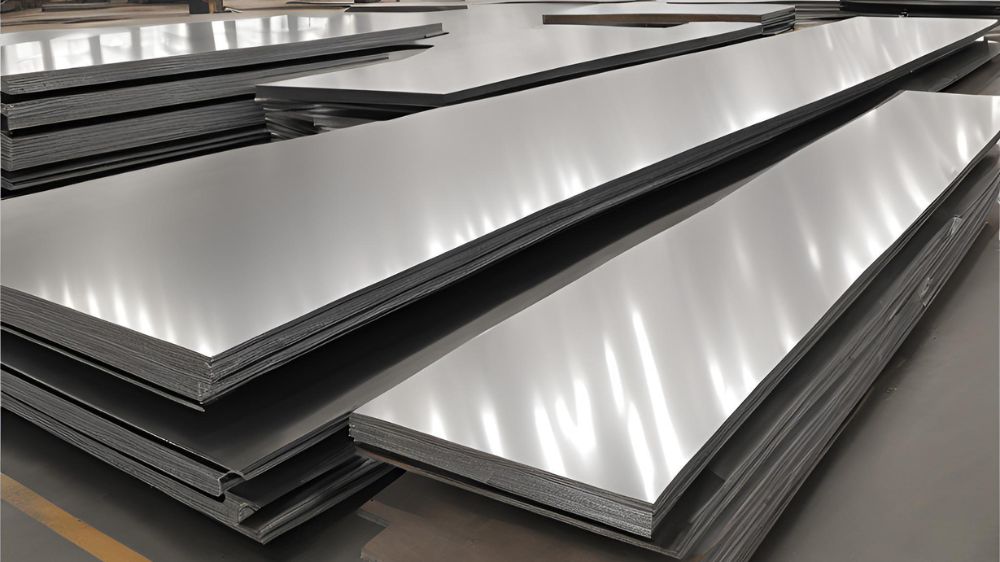

Duplex Steel UNS S32205 is frequently utilized in applications that call for high levels of corrosion resistance and strength. The stainless steel grade S31803 underwent a number of revisions to become UNS S32205, which was approved in 1996.
The duplex microstructure retains the austenitic grades’ corrosion resistance while having the high strength of the ferritic grades. The alloy has exceptional corrosion resistance to saltwater and the majority of sulphuric acid concentrations. The microstructure of the Duplex Steel 2205 Plates is two- or dual-phase. Additionally, UNS S32205 duplex stainless steel resists breaking due to sulfide stress corrosion (sour-gas environments). The high concentrations of chromium, nitrogen, and molybdenum present as well as UNS S32205’s high quality and consequently performance are widely recognized as contributing factors.
Duplex steel UNS S32205 has a mixed austenitic-ferritic microstructure, with granular structures typical for around half of each of these distinct phases. It combines the excellent erosion resistance associated with austenitic types with the high tractable (620 MPa) and yield (450N/mm2) attributes of ferritic grades.
Applications of Duplex Steel UNS S32205
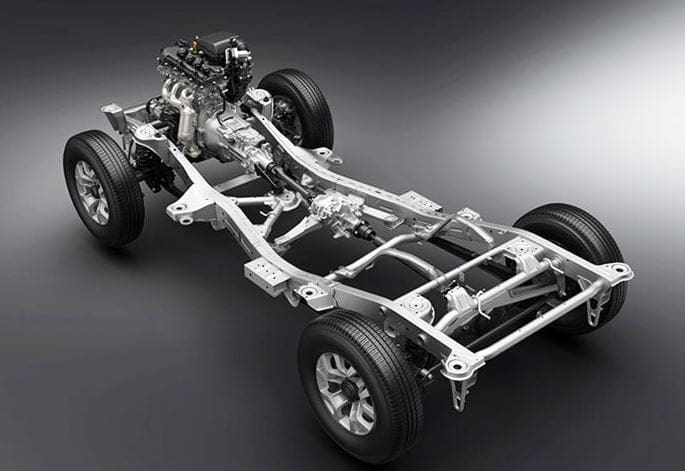
For managing offices and seaward foundations dealing with harmful components, UNS S32205’s an expense and weight reserve funds give crucial advantages. Siphons and valves made of UNS S32205 are frequently used in seawater applications, providing a particularly lightweight material with guaranteed protection from seawater consumption (chlorination, oxidation, and so forth).
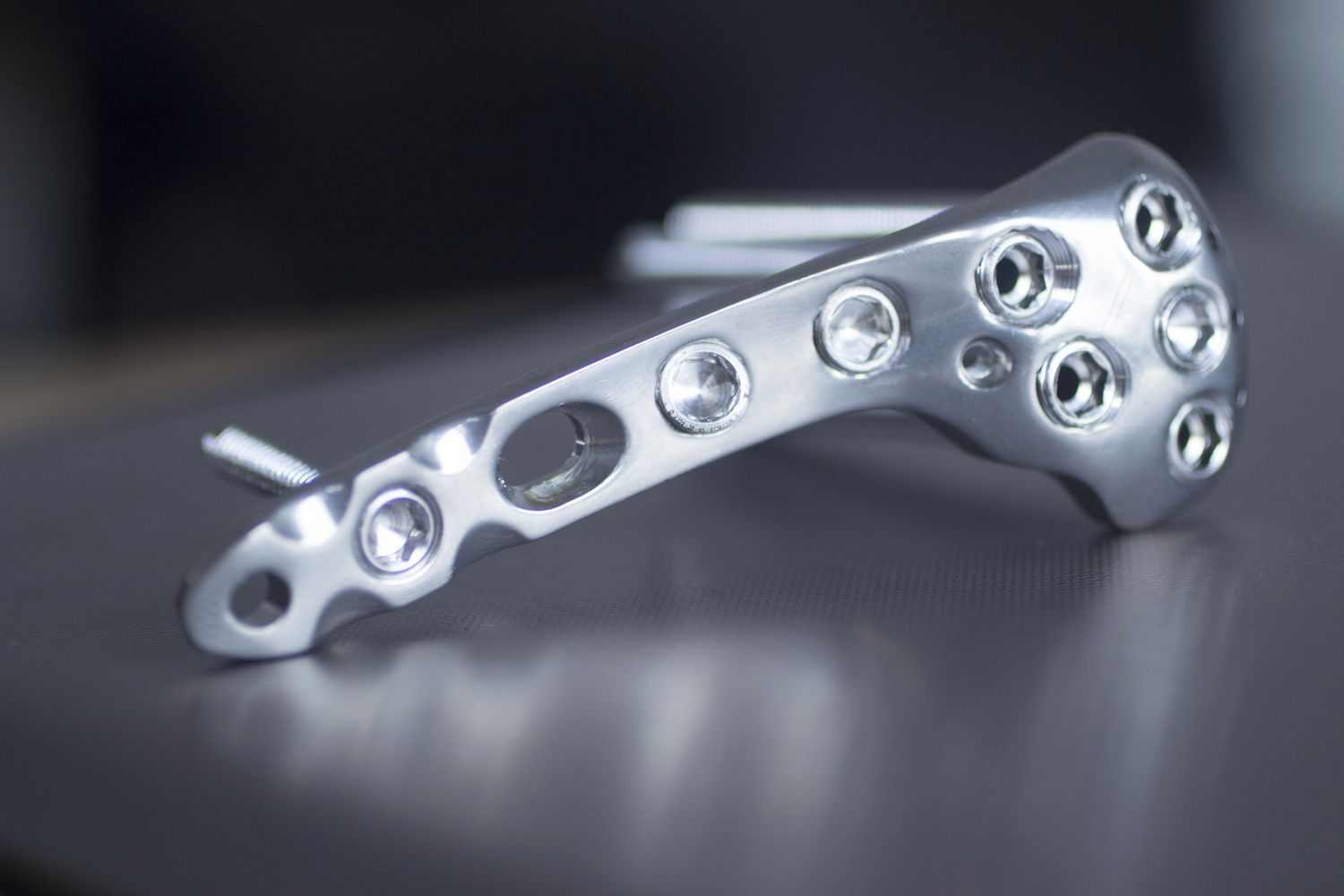
Various mash plants, food preparation, oil and gas funneling, chemical preparation, and that’s only the tip of the iceberg are just a few of the applications that it is frequently recommended for. Because small plates with outstanding mechanical and chemical qualities are available for long management periods, several UNS S32205 preparations have also been used in emissions control components as pipe gas desulfurization scrubbers.
Features of Duplex Steel UNS S32205
- Resistance to Heat
Grade 2205’s strong oxidation resistance is diminished by its embrittlement at 300°C. An annealing treatment in a full solution can change this embrittlement. Lower than 300 °C is a good temperature range for this grade.
- Heat Treatment
Solution treatment (annealing), which is ideal for this grade, should be performed between 1020 and 1100°C, followed by quick cooling. While grade 2205 can be thermally hardened, work hardening is not an option.
- Welding
With the exception of welding without filler metals, which produces too much ferrite, most common welding techniques are suitable for this grade. According to AS 1554.6, using 2209 rods or electrodes during pre-qualification welding for 2205 ensures that the deposited metal has a properly balanced duplex structure.
- Machining
Due to its great strength, this grade is not very machinable. Compared to grade 304, the cutting speeds are nearly 20% slower.
- Fabrication
The strength of this grade has an impact on fabrication as well. This grade must be bent and formed using machinery with a bigger capacity. Cold heading is not practicable on grade 2205 because its ductility is lower than that of austenitic grades.
- Corrosion Resistance
Superior to grade 316 in terms of corrosion resistance is grade 2205 stainless steel. It resists intergranular, crevice, and pitting localized corrosion types.