
When selecting the right material for industrial applications, two highly popular choices are Grade 2 Titanium and Stainless Steel. Both materials are known for their durability, corrosion resistance, and high performance in various environments. However, there are key differences that make each suitable for specific applications.
- Composition and Properties
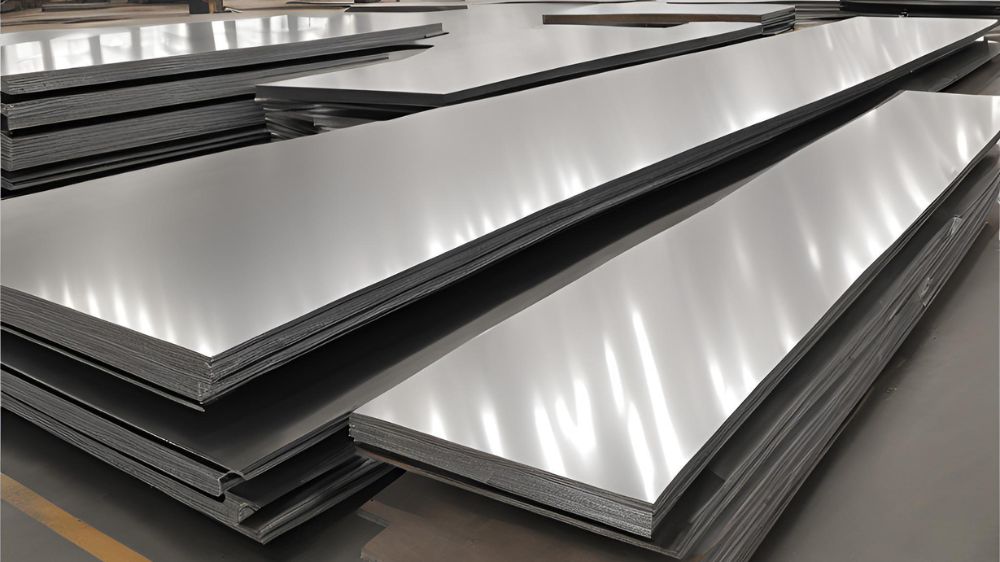
Grade 2 Titanium is a commercial titanium alloy with excellent corrosion resistance, especially in seawater and chemical environments. It boasts an impressive strength-to-weight ratio, making it a lightweight yet strong material. One of the most common applications for this grade is in Titanium Grade 2 Sheets, frequently used in aerospace and chemical processing industries.
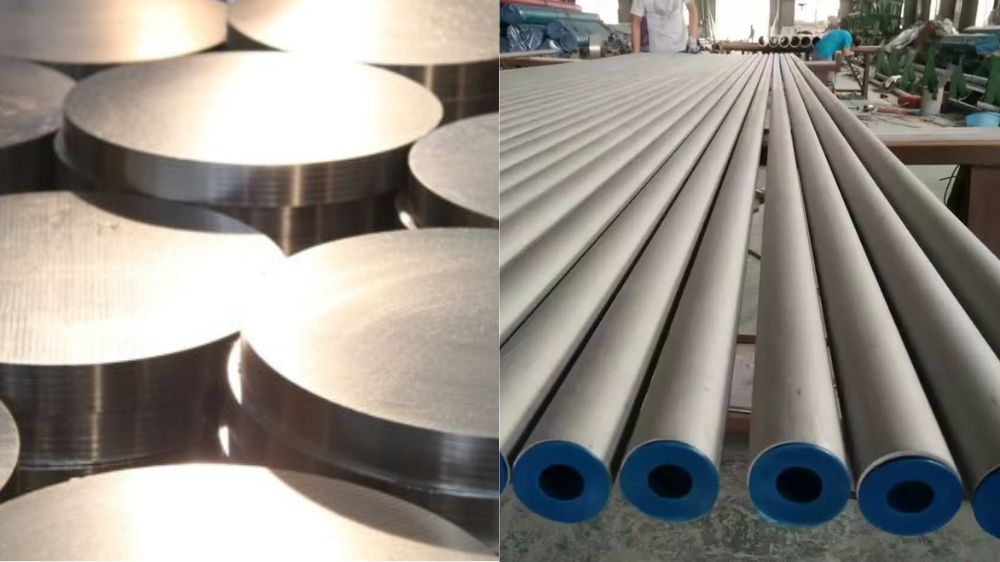
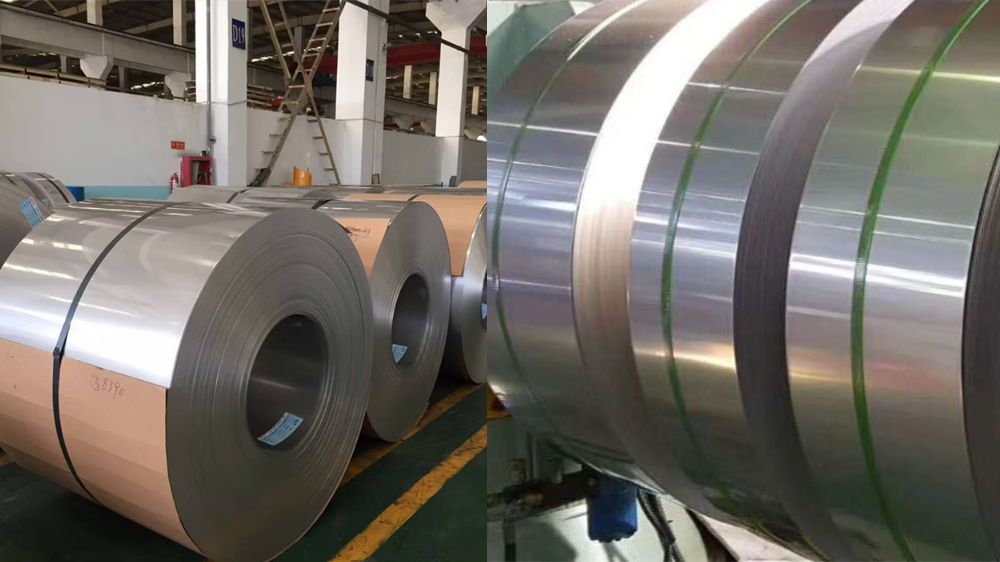
Stainless Steel, on the other hand, is an alloy made primarily of iron, with chromium added to enhance its resistance to rust and decline. Depending on the grade, it may also contain nickel and molybdenum. Stainless steels like 304 and 316 are widely used in construction, medical devices, and food processing due to their excellent mechanical properties and opposition to rusting.
- Corrosion Resistance
When it comes to resisting corrosion, Grade 2 Titanium surpasses stainless Steel, especially in aggressive environments such as saltwater or chemical exposure. Titanium naturally forms an oxide coating on its surface, preventing rust and oxidation even under harsh conditions.
Stainless Steel, particularly grades like 316, also offers excellent corrosion resistance but may not hold up as well as titanium in extreme conditions like exposure to chlorides or acidic environments. While stainless Steel is more cost-effective for general applications, Titanium Grade 2 Sheets are preferred in areas where corrosion resistance is critical.
- Weight and Strength
A notable advantage of Grade 2 Titanium is its superior strength-to-weight ratio. It is about 45% lighter than stainless Steel but offers high tensile strength. This makes titanium an ideal material for applications where weight savings are essential, such as in aerospace structures or marine components.
Stainless Steel, while strong, is much heavier. The higher density of stainless Steel may benefit certain structural applications where added weight provides stability, but titanium offers a clear advantage in areas where lightweight materials are needed.
- Cost
One of the significant differences between the two materials is their cost. Titanium Grade 2 Sheets are generally more expensive than stainless Steel due to the complex extraction and manufacturing processes. Stainless Steel is more readily available and cost-effective, making it the go-to material for various industrial applications.
- Applications
- Titanium Grade 2 Sheets: Used in aerospace, marine, chemical processing, and medical industries due to their lightweight, high corrosion resistance, and biocompatibility.
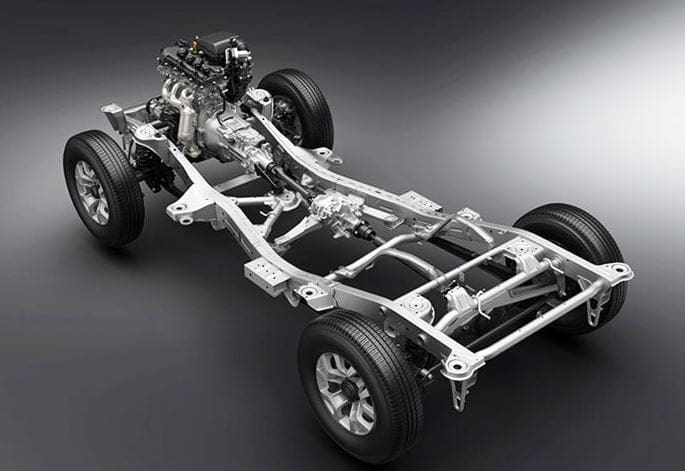
- Stainless Steel: Common in construction, food processing, automotive parts, and medical devices. Stainless Steel is used in environments where moderate corrosion resistance and strength are required at a lower cost.
Conclusion
Choosing between Grade 2 Titanium and Stainless Steel depends on the exact needs of your project. Titanium Grade 2 Sheets are ideal for environments with high corrosion resistance, lightweight materials, and long-term durability, though they come at a higher cost. On the other hand, Stainless Steel offers versatility and affordability, making it suitable for everyday applications where corrosion resistance and strength are still necessary but not as critical.