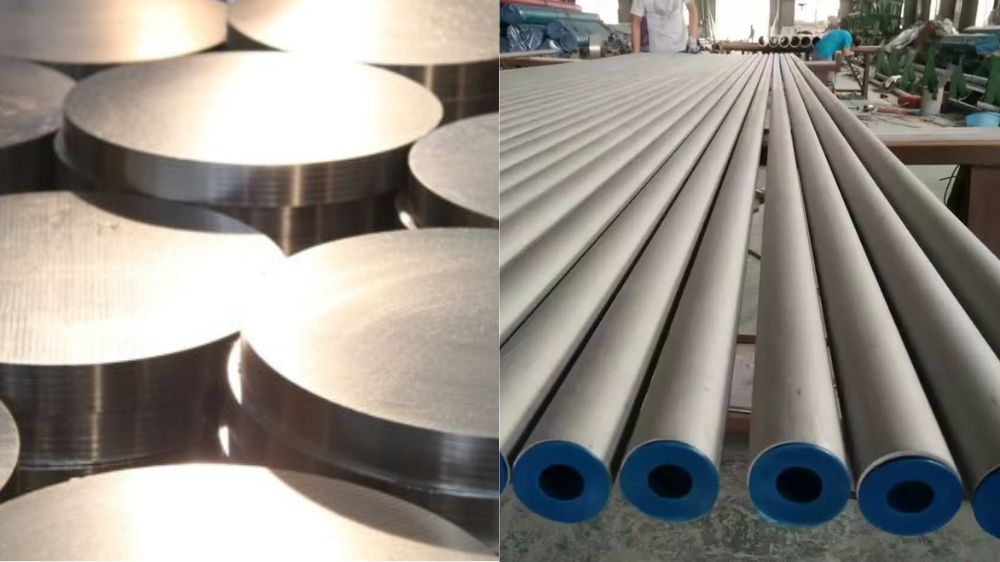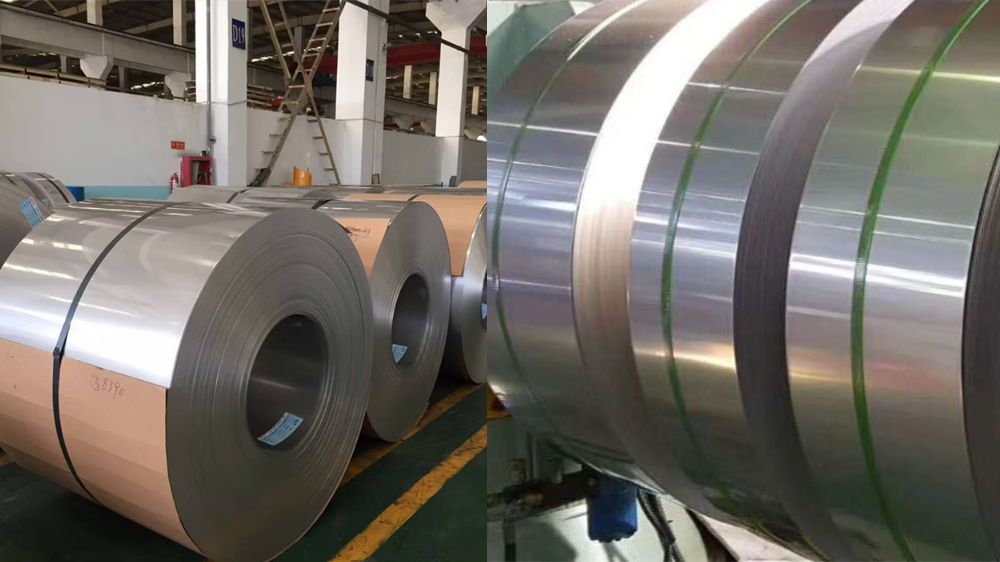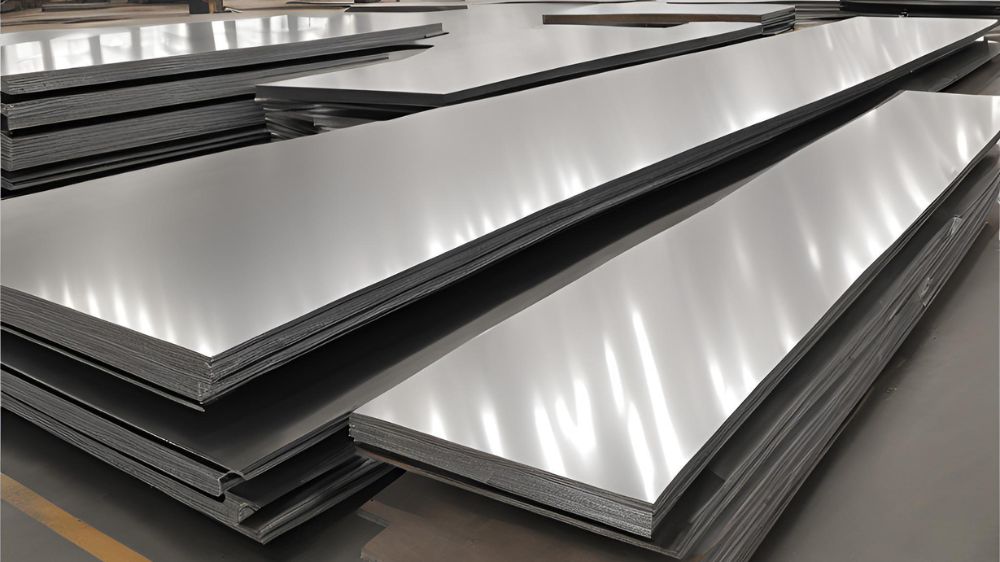

Duplex steel plates are used in construction due to their high strength and corrosion resistance. They are also easier to work with than austenitic steel. However, they require moderate annealing and are prone to cracking. Therefore, choosing the correct type of material for your project is vital.
Superior Corrosion Resistance
The high strength and corrosion resistance combination make duplex steel plates a good choice. They are less prone to stress corrosion cracking (SCC) and have favorable long-term life cycle costs.
Duplex Steel 2205 Plates are designed to optimize their properties. These include corrosion resistance in service fluids and atmospheric exposure.
Duplex Steel 2205 Plates have a two-phase microstructure consisting of ferrite and austenite phases. Both are present in equal proportions. This helps improve the resistance to chloride stress corrosion cracking.
A high nitrogen content in the alloy promotes better equi-partitioning of elements. It also helps to increase the strength of the austenite phase. Therefore, it is possible to produce more corrosion-resistant alloys at a lower cost.
Despite the advantages, Duplex Steel 2205 Plates can be prone to hydrogen-induced stress corrosion cracking. Nevertheless, they still have a promising future.
High Strength
Duplex steel 2205 plates provide excellent strength and high resistance to stress corrosion cracking. They are used in high-temperature applications. Several varieties of duplex stainless steel offer different properties. You can choose a duplex grade that fits your specific needs.
The higher the carbon content, the greater the tensile strength and wear resistance. Super duplex grades have a higher resistance to pitting and crevice rusting. These features are useful in chemical processing equipment. It also has good abrasion resistance. Duplex stainless steels are stronger than regular austenitic steels and can be used as replacements for other materials.
Moderate Annealing Required
Duplex Steel 2205 Plates are a tough material used in apparatus, devices, and process pipes. They have better oxidation and fatigue resistance than austenitic steels. However, duplex steels can become soft at higher temperatures. The material can warp and deform if the heat is not handled properly. Consequently, the proper annealing and cooling processes are required.
They should be solution annealed at a temperature of at least 1900 ℉. This will restore the toughness and corrosion resistance of the material.
The duration of the annealing process should be enough to dissolve the intermetallic precipitates. Once the process is complete, it is vital to cool the material rapidly to avoid the formation of a sensitizing temperature zone. Water cooling is an efficient technique to avoid such a region.
Easier to Work with than Austenitic Grade
Duplex steels are used in various applications because of their strength and toughness. In many applications, duplex grades can offer lower costs and greater performance. However, they can also warp and deform if handled incorrectly.
Duplex stainless steels have two-phase microstructures, giving them an advantage over austenitic stainless steels. Duplex grades are less susceptible to bending and tearing during the forming process than austenitic steels. Consequently, duplex grades can be welded at much lower temperatures than austenitic grades.
A combination of austenitic and ferritic materials forms duplex grades. They have a higher resistance to stress corrosion cracking and have a similar range of corrosion resistance to austenitic grades.
Duplex stainless steels are usually developed for less demanding applications. Their strengths allow for thinner sections. Although they are more difficult to work with than austenitic grades, they offer a variety of benefits.