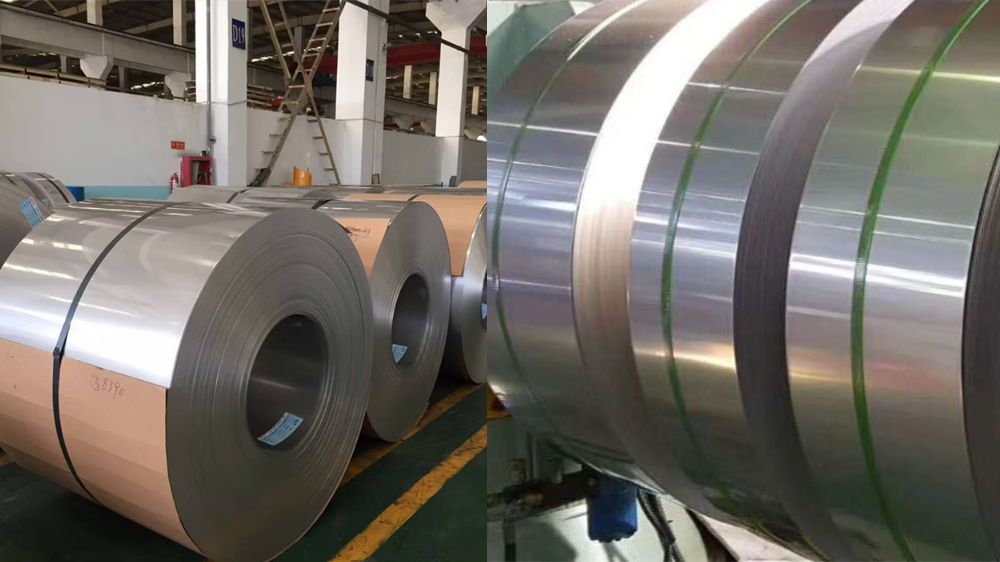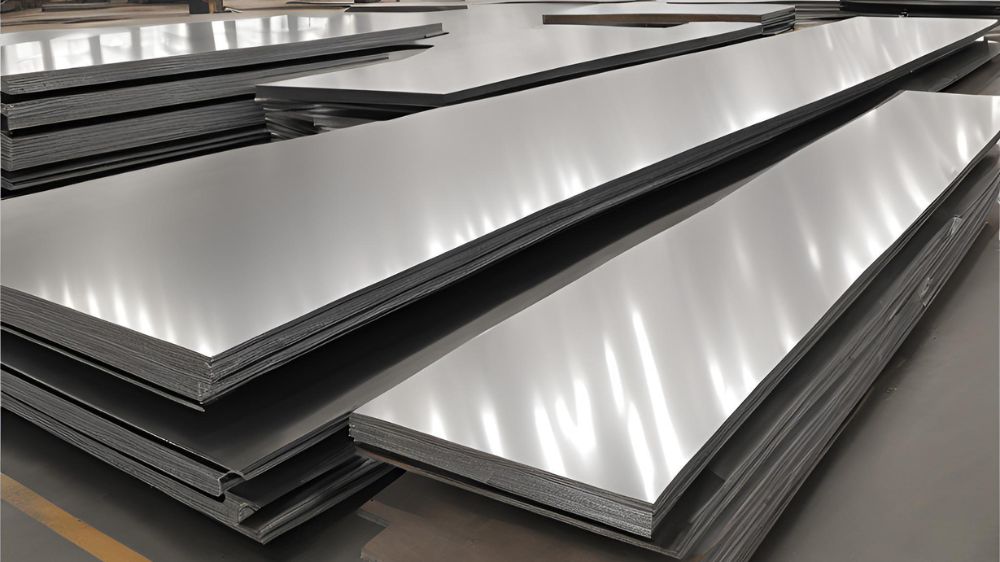

A stainless steel coil is one of the most commonly used raw materials in the construction of buildings and manufacturing industries. Stainless steel coils have been widely used in recent years for everything from household appliances to industrial equipment due to their mechanical and physical properties. Moreover, they are easily adaptable to a variety of design standards. Stainless steel coils come in several grades, each with qualities and applications. The versatility of stainless steel coils makes them popular in various industries. In addition to being used in high-end manufacturing enterprises, these products are also used in kitchen equipment manufacturing. It has high corrosion resistance against most forms because of the stainless steel alloy in the coil. SS 201 Coils that have been hot-worked or cold-wrought are equally durable and robust. Except for minor visual variations, the two are identical.
Applications of Stainless steel coils
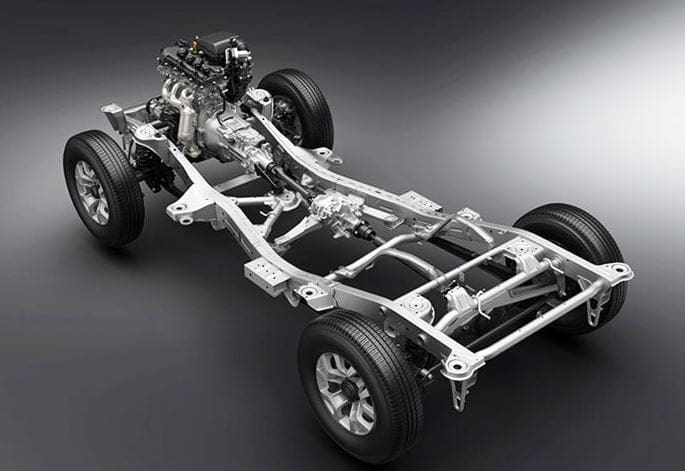
In the automotive industry, stainless steel 201 coils are used for applications like strong corrosion resistance but are also lightweight. High-strength stainless steel coil plate used for a vehicle’s body construction can significantly reduce the vehicle’s weight while strengthening the body structure and reducing the need for decorative components and maintenance. Statistics show that automobiles need between 10 and 30 kg of stainless steel coils. As a major building material or raw material, stainless steel coil was originally utilized in the construction industry as a raw material for building products. In addition, stainless steel coils are resistant to heat caused by exhaust systems and corrosion caused by chloride ions. Stainless steel coils are utilized in sewage, garbage, and industrial waste gas treatment plants. The pump, valve, and flue all require premium austenitic stainless steel coil and duplex stainless steel coil. Chemical, petroleum, chemical fiber, paper manufacture, food, medicine, and energy sectors.
Benefits of Stainless Steel Coils
A naturally anti-corrosive metal alloy is stainless steel. Stainless steel is resistant to most types of corrosion because of the chromium oxide layer created when oxygen in the air reacts with the chromium in the alloy. This characteristic is improved by including more filler elements, such as molybdenum, nitrogen, etc., in the alloying composition. These remarkable alloy qualities are passed on to Stainless Steel 201 Coils, making them corrosion-resistant in most situations.
After welding, grade 201 requires annealing. It doesn’t lose any strength during the welding process, but annealing assures maximum corrosion resistance. After welding, stainless steel 201 coils restore their original physical characteristics and machining capabilities.