
Heating, ventilation, and air conditioning (HVAC) systems are essential for modern buildings, ensuring occupants stay comfortable in all seasons and climates. HVAC components must be designed and fabricated with high-quality materials, such as stainless steel, to achieve optimal performance and energy efficiency. This blog post will explore the benefits of using 201 stainless steel coil in the HVAC industry, including its excellent corrosion resistance, durability, and affordability.
Advantages of 201 Stainless Steel Coil
Corrosion Resistance
Using 201 stainless steel coil in the HVAC industry is advantageous for several reasons, but perhaps the most important benefit is its superior corrosion resistance. This alloy’s chromium content provides excellent oxidation and corrosion protection from natural elements such as moisture and acids that can accumulate inside air conditioning systems over time. Moreover, other non-ferrous materials do not provide this same level of protection from these corrosive forces. This makes 201 SS an ideal material for use in parts exposed to high corrosion-resistant environments—such as condensers, heat exchangers, evaporators, warm air ducts and chillers—in both residential and commercial applications.
Durability
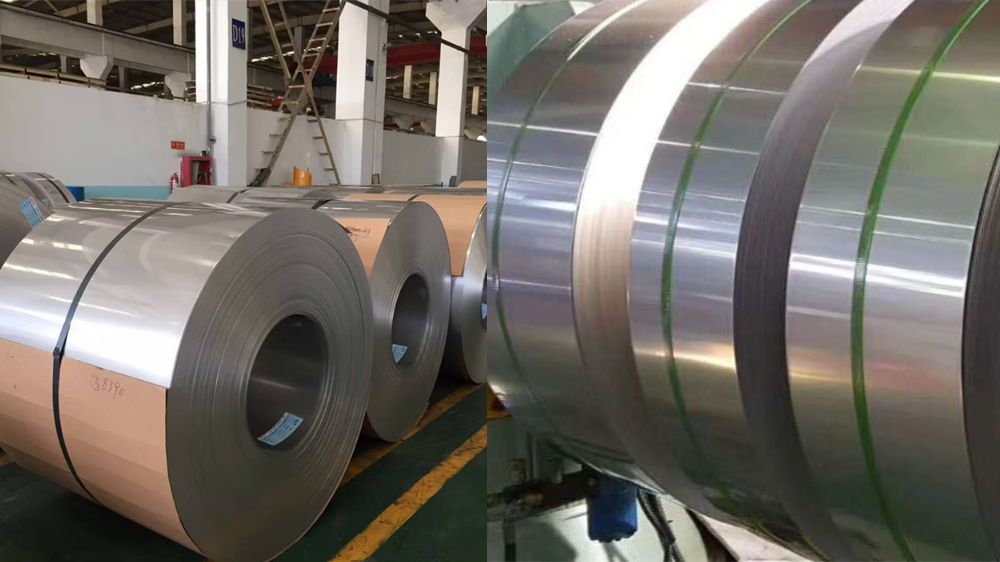
201 stainless steel coil is an ideal choice for those in the HVAC industry due to its remarkable durability and resistance to corrosion. This alloy contains 17-19% chromium, 6-8% nickel, 0.08%-0.15% nitrogen, and 0.75%-1.2% manganese; this set of components makes it particularly durable in high-temperature environments with high moisture levels that are commonly seen in these industries. Thanks to its usage of chromium – which forms a protective oxide film when exposed to air or water – this alloy is highly resistant to various corrosive elements such as acids and chloride solutions like seawater, which can heavily damage other metals over time. Additionally, since it is a non-magnetic stainless steel coil with a low carbon content, it has good workability even at cryogenic temperatures, so welders don’t need additional fabrication processes or equipment for construction purposes – making it a cost-efficient choice for many businesses operating on tight budgets!
Affordability
Unlike many other stainless steel grades, 201 stainless steel coil is relatively affordable, making it an ideal material for HVAC components. HVAC systems have many moving parts, meaning fabrication costs can increase quickly. However, with 201 stainless steel coils, fabricators can enjoy the benefits of stainless steel without breaking the bank. This means that HVAC systems can be fabricated more affordably, making them more accessible for a broader range of applications and users. The affordability of 201 stainless steel coil is one of the main benefits for HVAC applications. It pleases both manufacturers and contractors alike due to its low cost. Compared to 300-series stainless steel, the mild nickel content also helps keep costs down, making it even more attractive for HVAC uses where corrosion resistance and durability are key requisites. Additionally, because it’s made from such thin sheets, the price per pound can be very economical compared to other materials – making 201 stainless steel an excellent choice for cost-effective projects requiring sturdy coil material.
Ease of Fabrication
The 201 Stainless Steel Coil is widely used in the HVAC industry due to its ease of fabrication. The material is characterized by excellent formability and weldability, making it an ideal choice for fabricators with tight tolerance requirements. Additionally, this stainless steel type provides exceptional resistance to corrosion and oxidation, which helps ensure the longevity of any component made from it. This makes it optimal for HVAC components in areas prone to high moisture or humidity levels. Its low cost also adds further incentives as this material can be acquired at a substantially lesser cost than other grades yet still retain superior properties when compared. The SS 201 Coil is a great option for HVAC-related fabrication projects due to its ease of use and comparatively lower costs without sacrificing quality standards.
Conclusion
In conclusion, using 201 stainless steel coils in the HVAC industry offers many benefits, including excellent corrosion resistance, durability, affordability, and ease of fabrication. These benefits ensure that HVAC systems maintain optimal performance for an extended period, reducing maintenance costs and improving energy efficiency. At the same time, the affordability and ease of fabrication of 201 stainless steel coil make it an ideal choice for a wide range of applications and users, enhancing the accessibility of HVAC systems. By choosing 201 stainless steel coils for HVAC components, engineers and fabricators can create reliable, efficient, and cost-effective systems.