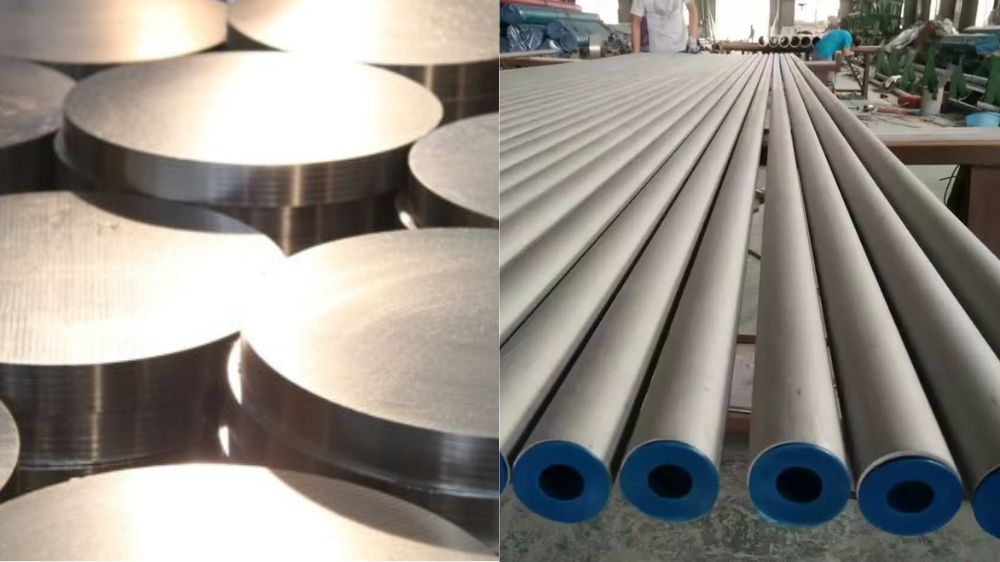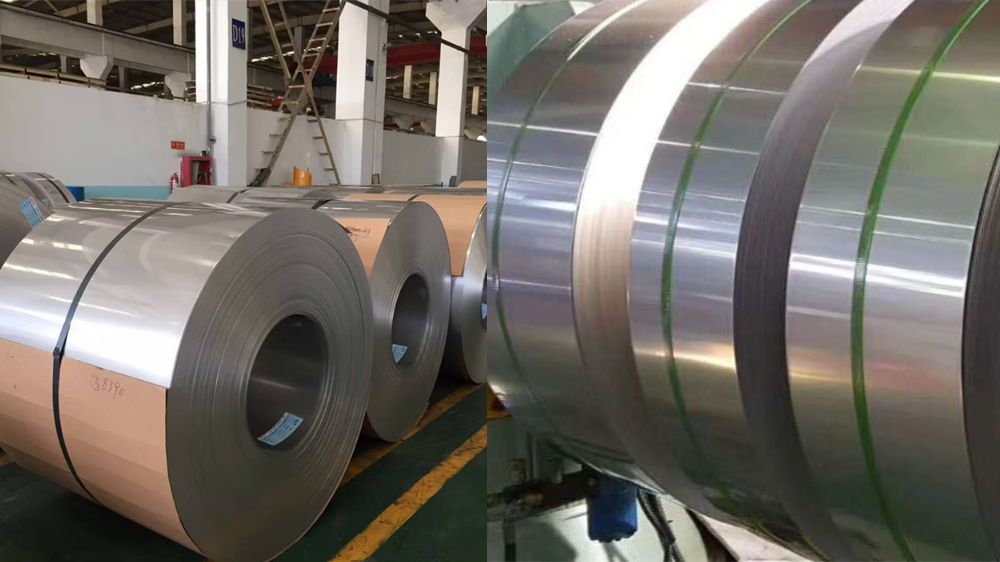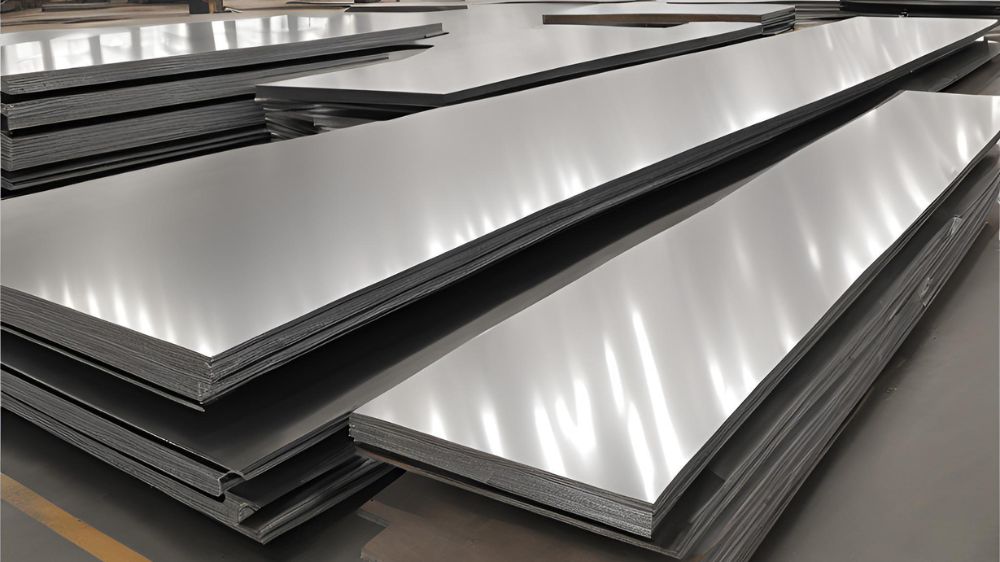

316 stainless steel, often referred to as marine grade stainless steel, is an austenitic type of stainless steel. It has molybdenum (2-3%) for improved corrosion resistance particularly in chloride-containing environments. This particularity makes 316 stainless steel suitable for uses where the material is likely to come into contact with harsh environments such as seawater. The 316 stainless steel plate is a flat, solid piece of this alloy, typically used in a variety of industries and applications due to its unique properties.
Advantages of 316 Stainless Steel Plate
Superior Corrosion Resistance: The inclusion of molybdenum in 316 stainless steel significantly improves its corrosion resistance, particularly against pitting and crevice corrosion caused by chlorides. It’s an ideal choice for environments exposed to saltwater, acids and harsh chemicals.
High Strength and Durability: 316 stainless steel is known for its high tensile strength and toughness, making it highly durable under both high and low-temperature conditions. This strength ensures that structures and products made from 316 stainless steel can withstand stress without easily breaking or deforming.
Excellent Weldability: The alloy’s composition makes it easy to weld using various welding techniques without compromising its resistance to corrosion. This property is crucial for manufacturing complex structures and assemblies in industries.
High-Temperature Resistance: With the ability to perform at temperatures as high as 870°C (1600°F) intermittently, SS 316 is ideal for high-temperature applications. It maintains its strength and resists oxidation at elevated temperatures.
Hygienic and Non-Reactive: Like all stainless steel, 316 stainless steel is non-magnetic and therefore suitable for use in areas that need high standards of cleanliness. The surface finish of 316 stainless steel plates is smooth, reducing the likelihood of bacterial growth.
Applications of 316 Stainless Steel Plate
Marine and Coastal Environments: 316 stainless steel plates are commonly used in the marine industry. It is used in boat fittings, shipbuilding and marine infrastructure, including seawater treatment plants and offshore platforms.
Chemical and Pharmaceutical Industries: Due to its ability to resist corrosion, 316 stainless steel is the most suitable material to use for manufacturing equipment that comes into contact with corrosive chemicals. It is widely used in reactors, pipes and tanks in the chemical and pharmaceutical industries.
Food Processing Equipment: The non-reactive nature of 316 stainless steel ensures that it does not contaminate food products, making it a preferred choice for food processing equipment, including food tanks, dairy equipment and brewing systems.
Architecture and Construction: In construction, SS 316 plates are used for structural applications, such as handrails, cladding and frames, especially in coastal and high-traffic urban environments where corrosion resistance is essential.
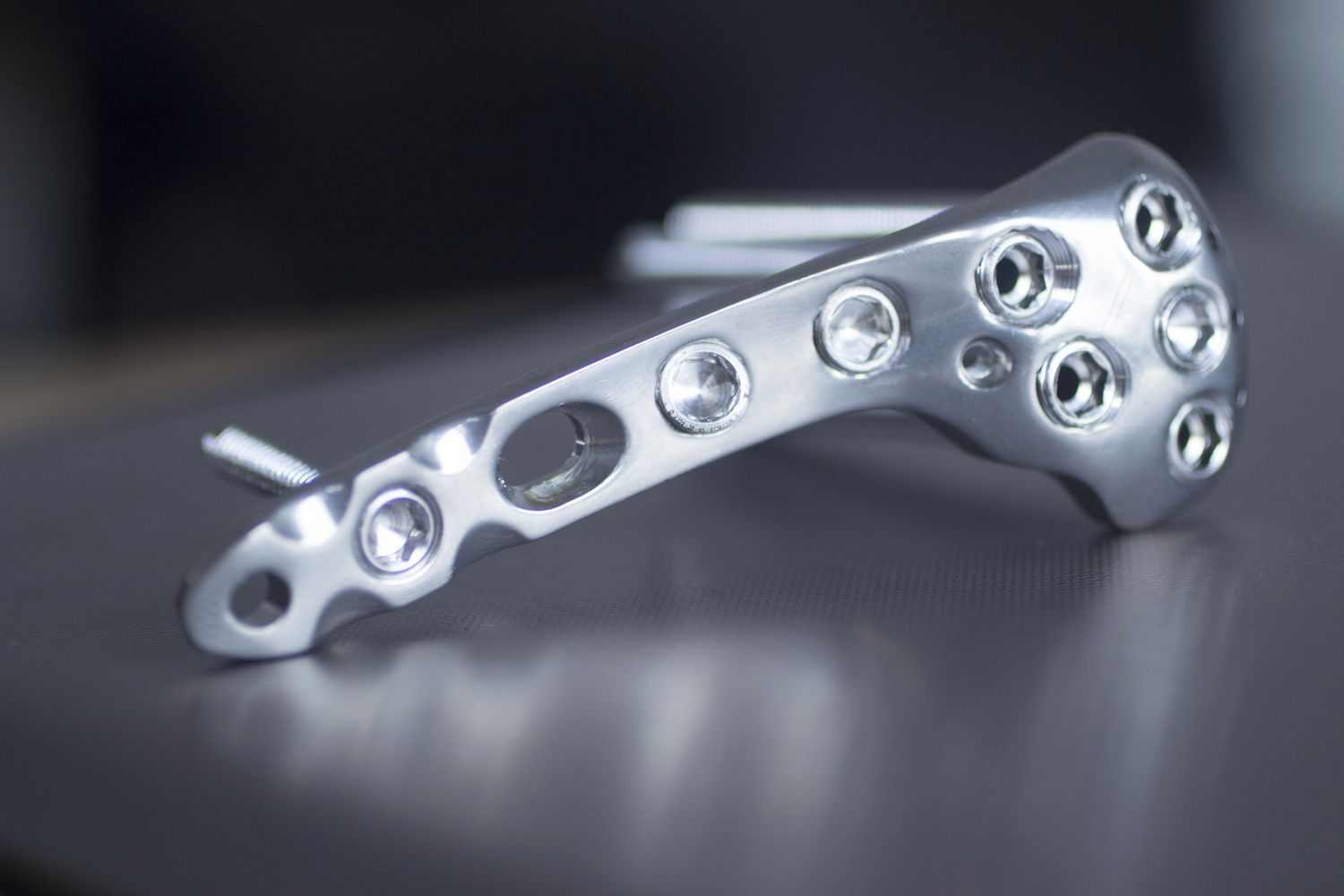
Medical Devices and Surgical Instruments: The alloy’s hygienic properties make it ideal for medical devices such as implants, surgical instruments and hospital equipment, where strength and hygiene are critical.
Conclusion
The 316 stainless steel plate is a versatile and durable material, it has a feature of high corrosion resisting capability, high strength and excellent weldability. Such characteristics make it very useful in many sectors such as marine, chemical, food processing, construction and healthcare industries. Its long-lasting performance in challenging environments makes it a top choice for many applications.